
13 Nov 2026
How to Use Spray Paint Without Drips, Bubbles or Wrinkles
A coat of spray paint can look even at first, then develop a run along an edge or wrinkles after the next coat. Before adding more paint, check three things: surface preparation, coat thickness and the recoating instructions on the can.
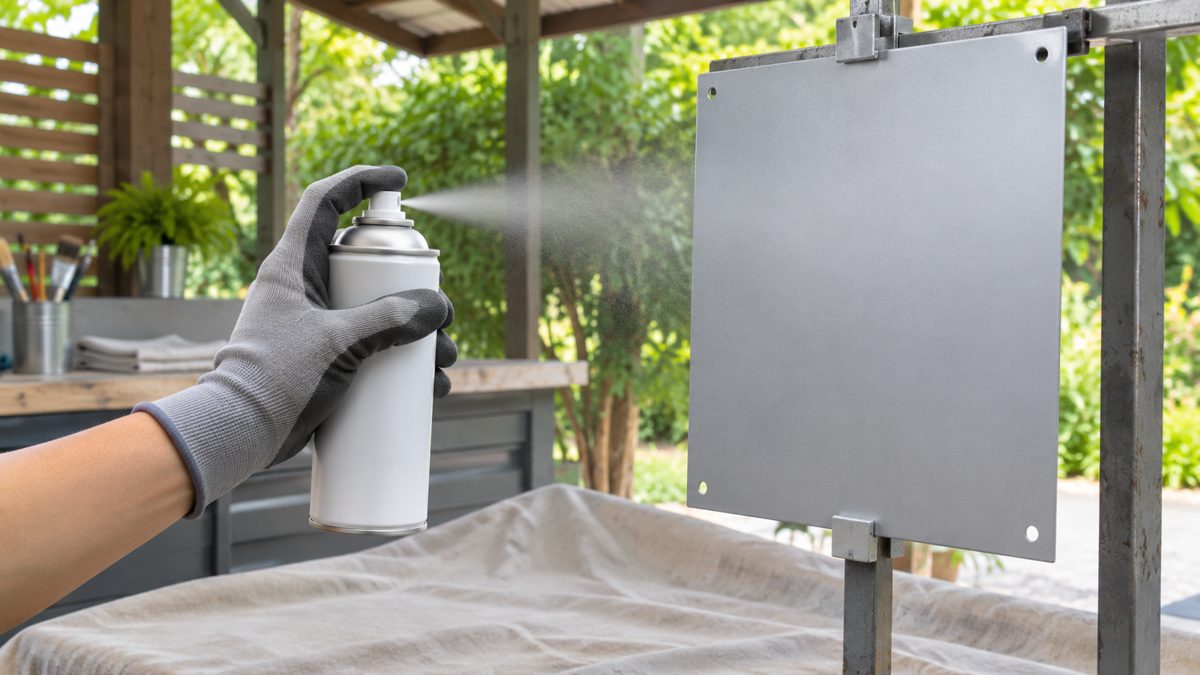
Illustrative image. Follow your product label for application and safety instructions.
Start with a clean, stable surface
Remove grease, dirt and loose paint, then let the surface dry. Lightly dull glossy areas where the product instructions call for sanding, and remove the dust. Do not sand old coatings that may contain lead.
Choose paint and primer suited to the material. Bare metal, wood and plastic do not always need the same preparation. If the existing finish is unknown, test a small hidden area before coating the whole piece.
Apply light coats with a steady hand
Shake the can for the time stated on its label and test the spray pattern on scrap material. Use the recommended spraying distance rather than a fixed rule for every product.
Start each pass just beyond the edge, sweep across at a steady speed and release the nozzle after passing the other edge. Overlap passes slightly. Build coverage gradually instead of trying to hide the surface in one heavy coat.
If paint starts to run, stop adding paint to that area. Extra spray usually makes the repair larger.
30-second illustrated guide: prepare the surface, apply light coats and follow the recoating instructions. This is an illustration, not a live product test.
Check the conditions before you spray
Choose a suitable, well-ventilated workspace and follow the label’s safety precautions. Protect nearby surfaces from overspray.
Avoid strong wind and direct sunlight on the workpiece. A hot surface can affect how the coating dries. Holding the can too far away can also let paint droplets dry before they land, leaving a rough, dusty finish.
Follow the recoating window
Touch-dry does not necessarily mean ready for another coat or normal use. Drying, handling and recoating instructions vary by formula.
Check the label before applying another coat or a clear finish. Some products have a specific early recoating window followed by a longer waiting period. Do not substitute a universal “wait ten minutes” rule.
Heavy coats and incorrect recoating timing can contribute to cracking or wrinkling. If defects appear, let the coating dry sufficiently before sanding or repairing it, following the product instructions. Spraying over a wet defect rarely solves it.
A smoother finish comes from getting these basics right: compatible materials, a prepared surface, light coats and the correct waiting time.
For spray paint product details and OEM enquiries, contact Liangxuan Aerosol.
Website: www.lxaerosol.com
Email: [email protected]